
The Sof Omar Cave is one of the most remarkable natural landmarks in Ethiopia and is considered the largest cave system in the country, and among the most extensive in Africa. Located in the Bale Zone of the Oromia Region, about 550 kilometers southeast of Addis Ababa, the cave is named after a Muslim sheikh, Sof Omar, who is said to have taken refuge here centuries ago.
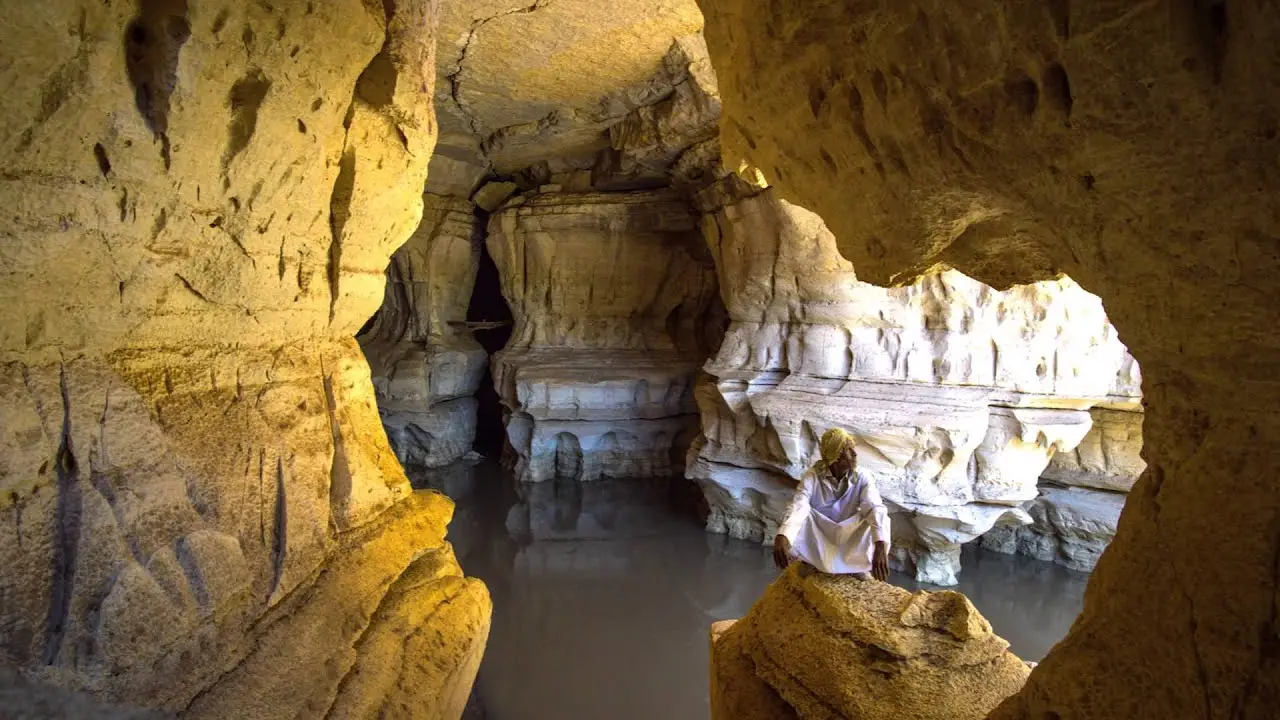
Formed by the continuous erosion of limestone by the Weyib River, the cave stretches for more than 15 kilometers, making it a vast underground network of tunnels, chambers, and passages. The river flows directly through the cave, creating natural bridges, towering rock pillars, and echoing chambers. The entrance itself is marked by high cliffs and winding pathways that lead down to the river.
Sof Omar Cave is not only a geological wonder but also a place of religious and cultural significance. For centuries, it has served as a site of Islamic worship and pilgrimage, with several shrines located within its chambers. The blending of natural formations with cultural history has made the cave a unique destination for both spiritual visitors and explorers.
The cave is divided into different sections, each with its own notable features, such as the “Chamber of Columns,” where natural limestone pillars support the ceiling, and the “Chamber of Darkness,” known for its mysterious silence and lack of natural light. The winding passages, often filled with bat colonies, create an otherworldly atmosphere that captivates visitors.
In modern times, Sof Omar Cave has become a significant site for tourism and speleological research. Adventurers are drawn to its labyrinthine passages, while scientists study its geological formations and hydrology. Despite the challenges of accessibility, the cave is one of Ethiopia’s most visited natural wonders, especially for those exploring the Bale Mountains and surrounding areas.
The cave also plays a role in local folklore and oral traditions, reinforcing its importance not just as a physical landmark but also as a cultural symbol. It is a place where nature, history, and religion converge, making it one of Ethiopia’s most fascinating underground landscapes.