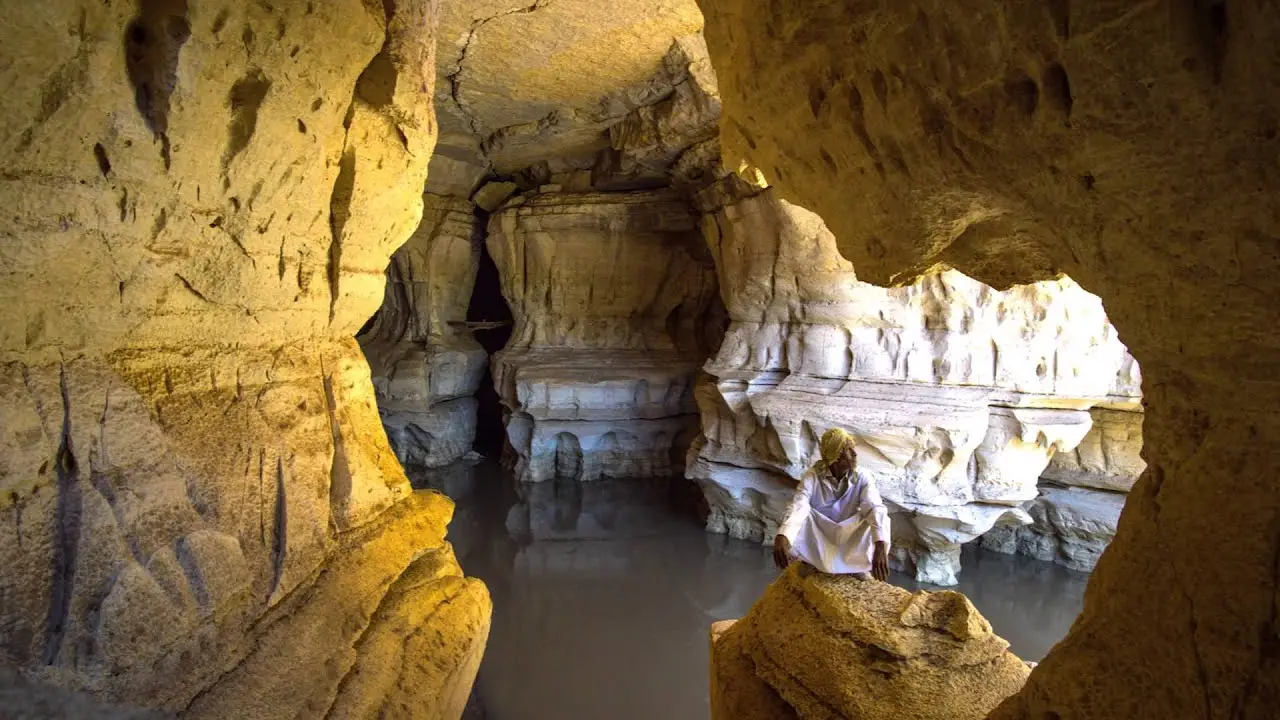


The South Omo Valley, located in southern Ethiopia near the borders with Kenya and South Sudan, is one of the most culturally diverse regions in Africa. It lies within the Great Rift Valley and is traversed by the Omo River, which has historically sustained both agriculture and pastoralism in the area. The valley is recognized for its stunning landscapes—ranging from savannah grasslands to riverine forests—and for its unique cultural mosaic.
The region is home to more than sixteen distinct ethnic groups, each with its own language, customs, and traditions. Prominent among them are the Hamar, Mursi, Karo, Nyangatom, Dassanech, and Ari peoples. These communities have maintained age-old practices and ways of life that remain largely unchanged despite modern influences.
Cultural expression in the Omo Valley is vividly visible in body decoration, dress, and rituals. The Hamar are known for their elaborate hairstyles and jewelry, as well as the famous bull-jumping ceremony, a rite of passage for young men. The Mursi and Surma peoples are renowned for their practice of lip plates, a form of body modification that has attracted global attention. The Karo are skilled in intricate body painting, often using white chalk and ochre for ceremonial occasions.
Daily life in the valley is deeply tied to the natural environment. Many groups are agro-pastoralists, relying on both cattle herding and subsistence farming along the Omo River. Livestock is not only an economic resource but also a symbol of wealth and social status. Seasonal flooding of the river has historically supported cultivation, though recent changes due to dam construction have impacted traditional livelihoods.
The South Omo Valley has become a major destination for cultural tourism in Ethiopia. Visitors are drawn to experience the traditional lifestyles, ceremonies, and artistry of the local communities. However, this exposure has also brought challenges, such as cultural commodification and increased external influence. Preservation of traditions remains an ongoing concern, with efforts being made to balance cultural integrity and economic benefits from tourism.
In addition to its cultural richness, the valley holds archaeological importance. Discoveries in the Lower Omo region include some of the earliest human fossils, contributing to the study of human origins and reinforcing Ethiopia’s role as a cradle of humanity.
Today, the South Omo Valley stands as a living museum of cultural diversity, where ancient traditions, vibrant rituals, and human history converge. It remains one of the most remarkable cultural landscapes in Africa, offering insights into the resilience and creativity of communities who continue to thrive in harmony with their environment.